Emergency Cat Recovery Form
KC Pet Search & Rescue
Call Now 913-915-2800
Emergency Dog Recovery Form
KC Pet Search & Rescue
Call Now 913-915-2800
Emergency Cat Recovery Form
Emergency Dog Recovery Form
Thermal Imaging • Aerial Search • Lost Cat Recovery

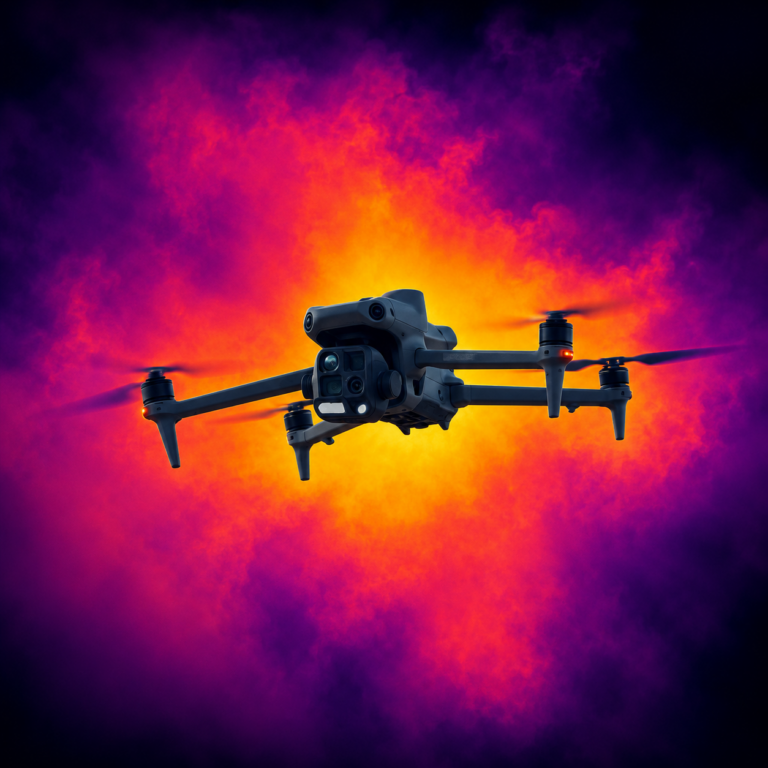
What Does Thermal See and Why Use a Drone?

Thermal does not see fur color, markings, or a normal camera image. It detects heat differences between animals, objects, ground, vegetation, and the surrounding environment.

When a cat is outside, their body heat may appear differently than the ground or nearby surroundings under the right conditions. That heat contrast can help KCPSR notice areas that deserve a closer look, especially when the cat may be moving near open space, property edges, tree lines, fields, or hard-to-access areas.

The drone matters because it gives a higher angle and wider coverage than a ground search alone. Instead of slowly checking every yard edge, field, or drainage area from the ground, the drone can help scan larger areas more efficiently and guide where the next recovery step should focus.

Why the Drone Adds Value

  • 1 It can scan larger areas faster than walking every yard, field edge, or property line.
  • 2 It gives a better angle over open ground, fence lines, drainage areas, tree edges, and hard-to-access spaces.
  • 3 It may help identify possible heat signatures that need ground confirmation or camera follow-up.
  • 4 It supports the recovery plan by helping narrow where cameras, scent, bait, ground search, or trapping should be focused.
Thermal drone search is not X-ray vision. It cannot see through roofs, walls, thick cover, enclosed sheds, or solid objects. For cats, drone search is strongest when it is used with ground search, cameras, scent strategy, and humane trapping when needed.

The Drone Helps Scan the Area The Recovery Plan Brings the Cat Home

A thermal drone can provide valuable search intelligence, but it is not the entire solution. KCPSR uses drone information to support the bigger recovery system — where to look closer, where to place cameras, where scent strategy may help, and where humane trapping may create the safest opportunity.

Timing • Sightings • Thermal Drone Search

When to Conduct a Thermal Drone Search

A thermal drone search is most valuable when there is a reason to believe the cat is still in the area, recently escaped, moving at night, or tied to a fresh sighting. The goal is to scan with purpose — not just fly and hope.

Night or Early Morning Can Matter

Many lost indoor cats move when the area is quiet — late at night, before sunrise, or during early morning hours. These windows can sometimes provide better thermal contrast and less human activity, making it easier to scan open areas, yard edges, fields, fence lines, and travel routes.

Fresh Information Is a Big Advantage

A thermal drone search is stronger when it is tied to useful information: a recent escape, a confirmed sighting, camera activity, a known hiding area, or a specific direction of travel. The more focused the search area is, the better the drone can support the recovery plan.

  • Just Escaped If the cat recently got out, a drone may help scan nearby open spaces, property edges, and areas that are difficult to check quickly from the ground.
  • Known to Be Nearby If your cat is believed to still be in the area, a thermal drone can help evaluate yards, fields, tree lines, drainage areas, and larger search zones.
  • Recent Sighting If someone just saw the cat, timing matters. A focused drone search may help check the surrounding area before the cat shifts location again.

The Best Drone Search Starts With a Target Area

Thermal drone search works best when KCPSR has a starting point: an escape location, a recent sighting, camera activity, a property boundary, or a likely travel path. That allows the drone to support the recovery plan instead of wasting time scanning random areas.

Thermal drone search is condition-dependent. Weather, wind, rain, trees, buildings, airspace restrictions, heat-retaining surfaces, and property access can all affect whether a drone search is appropriate. KCPSR will help determine whether drone search, ground thermal scanning, cameras, scent strategy, or humane trapping makes the most sense for your cat’s situation.
Thermal Drone Search • Wooded Areas • Urban Areas

Thermal Drones Are a Powerful Cat Search Tool

A thermal drone gives KCPSR the ability to scan large areas quickly, safely, and strategically. For lost cats, it can help identify heat signatures, movement areas, travel corridors, and places that need closer follow-up.

Strong in Wooded Areas

Wooded areas can be difficult to search from the ground. A thermal drone gives KCPSR an elevated view over tree lines, creek edges, field borders, trails, open pockets, and gaps in the cover where a lost cat may be moving or holding close.

Instead of blindly walking through brush and possibly pushing the cat farther, the drone helps us scan the area with less ground pressure and better coverage.

Strong in Urban Areas

In neighborhoods, a thermal drone can help scan yards, fence lines, rooftops, alley edges, drainage areas, open lots, property lines, and larger spaces that are hard to cover quickly on foot.

This is especially valuable when a cat has just escaped, has been seen nearby, or is believed to be moving through the area during quiet nighttime or early morning hours.

What the Drone Helps Us Identify Quickly

Heat Signatures Thermal helps locate warm targets that may deserve closer review, confirmation, or follow-up from the ground.
Movement Areas The drone can help evaluate where a cat may be traveling through yards, edges, fields, paths, or open pockets.
Search Priorities Drone information helps KCPSR decide where to focus ground search, cameras, scent, bait, or humane trapping.
Hard-to-Reach Spots Large lots, wooded edges, drainage areas, steep terrain, and fenced spaces can be assessed faster from above.

What the Drone Does Extremely Well

  • 1 Scans large areas faster than a ground-only search.
  • 2 Checks wooded edges, fields, yards, drainage areas, rooftops, and property lines from above.
  • 3 Helps reduce unnecessary ground pressure near a scared cat.
  • 4 Creates better search intelligence for the next recovery move.

Why Ground Search Still Matters

Cats are masters at hiding. They may tuck under decks, porches, sheds, vehicles, stairs, garages, thick landscaping, or tight spaces close to the home.

That does not make the drone weak — it means KCPSR uses the right tool for the right job. The drone helps scan the larger area. The thermal ground scan helps check the tight hiding places. Together, they create a stronger recovery picture.

Drone Search Covers the Area Ground Search Checks the Hiding Spots

KCPSR uses thermal drone search because it is one of the best ways to quickly scan large spaces, wooded edges, urban routes, and hard-to-reach areas. When a cat may be tucked under cover, we pair that aerial advantage with ground thermal scanning, cameras, scent strategy, and humane recovery planning.

Drone Limits • Ground Search Support

What Thermal Drones Cannot See Through

Thermal drones are excellent for scanning from above, but they still need a visible heat path. If the cat is tucked under solid cover, KCPSR uses ground thermal search to check the places the drone cannot fully inspect.

Under Decks & Porches Solid decking, stairs, and covered porch areas can block the drone’s view from above.
Inside Garages & Sheds Thermal drones cannot see through closed doors, walls, roofs, or enclosed structures.
Dense Brush & Heavy Cover Thick vegetation can hide a cat’s heat signature when they are low, still, or tucked deep inside.
Vehicles & Structures Cars, fences, retaining walls, outbuildings, patio furniture, and tight spaces can block the aerial angle.
That is why KCPSR uses both tools. The drone helps cover the larger area. Ground thermal search helps check the tight hiding spots where indoor cats often tuck themselves away.
Live Feed • Owner Input • Recovery Ready

Does the Owner Participate in the Thermal Search?

Yes. During a KCPSR thermal drone search, the owner can be part of the process by watching the incoming feed on a large display and staying ready for recovery. You know your cat better than anyone, and that input matters.

While KCPSR conducts the search, the owner can help identify property details, likely hiding areas, familiar travel routes, previous sightings, and anything on the screen that may need a closer look. This creates a more informed search instead of separating the owner from the recovery process.

If the cat is located or a strong lead is identified, the owner is already nearby and prepared to help with the safest next step. That may mean calling the cat softly, approaching carefully, securing access, opening a garage, checking a familiar hiding place, or preparing for a controlled recovery.

How Owners Help During the Search

  • 1 Watch the live thermal feed on a large display while KCPSR searches the area.
  • 2 Give input on escape points, sightings, property access, hiding spots, and areas the cat may know.
  • 3 Help confirm whether a possible target, route, or location makes sense based on the cat’s behavior.
  • 4 Stay ready to assist with safe recovery if the cat is found or a strong lead is developed.
The owner does not run the search — KCPSR handles the equipment and search strategy. But your knowledge of your cat and property can help guide what deserves attention.

KCPSR Searches You Help Confirm and Recover

Thermal search works best when professional equipment, trained search strategy, and owner knowledge work together. KCPSR watches the thermal picture. You help provide context. Together, we are ready to move when the search produces a lead.

Thermal Search Pricing

How Much Does a Thermal Search Cost?

Thermal search pricing depends on the service needed, timing, location, search conditions, and whether drone search, ground thermal scanning, cameras, or trapping support are part of the recovery plan. View current KCPSR cat recovery pricing to see available options.

View Cat Recovery Pricing
Discuss Your Cat’s Situation

Is a Thermal Drone Search Right for Your Cat?

If your cat recently escaped, has been seen nearby, may be moving at night, or could be using a larger area, call KCPSR to discuss whether a thermal drone search makes sense.

We will review the escape point, last sighting, property layout, timing, search conditions, and what has already been tried. From there, KC Pet Search & Rescue can help determine whether thermal drone search, thermal ground scanning, cameras, scent strategy, humane trapping, or a combination of services is the best next move.

Thermal drone search is one part of the larger KCPSR cat recovery system. The goal is not just to fly — the goal is to build the strongest plan to help bring your cat home.
Back to top