

Free Lost Pet Command CenterCreate a missing-pet case and use community recovery tools
Emergency Cat Help
KC Pet Search & Rescue
Call Now 913-915-2800
Emergency Dog Help
KC Pet Search & Rescue
Call Now 913-915-2800
Free Lost Pet Command CenterCreate a missing-pet case and use community recovery tools
Emergency Cat Help
Emergency Dog Help
Thermal drone scanning for a lost cat near the Kansas City skyline, with a humane trap on the ground below
Johnson · Miami · Wyandotte Counties, Kansas

Lost Cat Recovery in Johnson, Miami and Wyandotte Counties

Escaped indoor cats usually don't go far — they hide, close to home, often silent even when their owner is nearby. Random searching and loud calling can push a cat deeper into hiding. KC Pet Search & Rescue uses a calm, evidence-based recovery process across all three counties to bring cats home safely.

Every submitted recovery form receives a free consultation

Why Escaped Indoor Cats Are Often Close But Invisible

An indoor cat that gets outside reacts very differently than a dog. Its instinct is to freeze and hide, not travel. That's why so many owners search for hours without realizing the cat may be a few feet away the entire time.

  • Fear can override a cat's response to its own name — silence doesn't mean the cat is gone
  • Repeated calling, flashlights, and foot traffic can read as pressure and push a cat deeper into cover
  • Common hiding spots include under decks and porches, dense brush, crawl spaces, and along fence lines
  • The escape point matters — most cats stay within a small radius of it, at least at first

That's why the strategy has to be different: reduce pressure, preserve evidence, and build a plan instead of searching louder and wider.

Close-up of a gray cat, illustrating how a frightened cat can stay still and silent while hiding close to home

What to Do Immediately

  • Reduce noise and foot traffic around the escape point instead of expanding the search.
  • Preserve the escape point — don't move or disturb the exact spot the cat got out.
  • Check immediate enclosed spaces quietly: under decks, in garages, under vehicles.
  • Secure other pets so the situation doesn't multiply.
  • Collect a recent, clear photo to have ready.
  • Document the exact time and any direction of movement.
  • Check nearby cameras — doorbell or security footage can confirm a sighting.
  • Avoid repeatedly entering the same hiding zone — each pass adds pressure.
These steps help — but they work best alongside a real plan. Complete the recovery form to get a free consultation started.
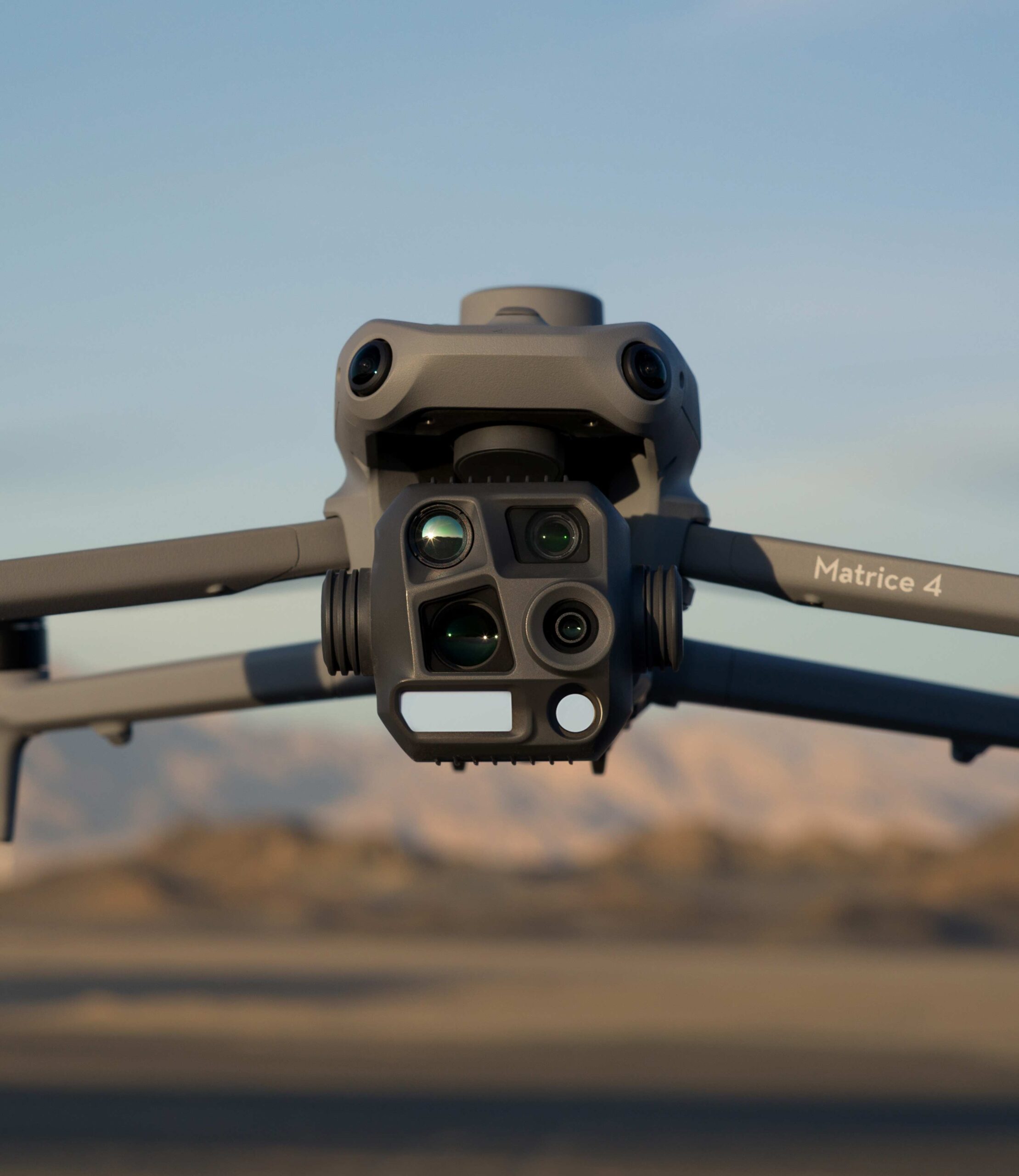
DJI Matrice 4 thermal drone equipment used by KC Pet Search and Rescue during case evaluation

How KC Pet Search & Rescue Evaluates a Missing-Cat Case

  1. Review the escape details — how and when the cat got out
  2. Evaluate the last-known location and immediate surroundings
  3. Assess whether the cat is indoor-only or has some outdoor access history
  4. Examine property layout and surrounding terrain
  5. Review any confirmed sightings
  6. Identify likely hiding zones based on the evidence
  7. Determine whether ground thermal, aerial thermal, cameras, traps, or a combined method fits
  8. Build the recovery plan and walk the owner through it

Thermal Ground Scanning

A handheld thermal monocular lets the team scan yards, deck lines, and structural edges up close, without disturbing the cat the way a full walk-through search would.

It's especially useful for checking under accessible decks, around sheds, and along brush lines during favorable thermal conditions — typically cooler, quieter parts of the day.

Like any tool, it has limits: dense brush, warm surfaces, and enclosed structures can all reduce what's visible. It's one part of building a complete picture, not a guarantee on its own.

Learn more about thermal ground scanning →

Thermal monocular used by KC Pet Search and Rescue for close-range ground search around decks and structures
Thermal drone with zoom camera used to evaluate open ground and field edges for a missing cat

Thermal Drone Search — Where Appropriate

An aerial thermal drone can be genuinely useful for open ground, field edges, creek corridors, accessible wooded edges, and larger properties where a zoom camera can confirm what the thermal image is picking up.

It is not automatically the right tool for a cat hiding under a deck three feet from the back door. KC Pet Search & Rescue evaluates the case first — property layout, terrain, and evidence — before deciding whether a drone flight fits.

Real limits: roofs, enclosed sheds, garages, crawlspaces, dense vegetation, thick tree canopy, walls, warm surfaces, airspace restrictions, and weather can all affect what a thermal drone can actually confirm.

Cellular Camera Monitoring and Evidence Gathering

  • Cameras confirm nighttime movement without a person standing there scaring the cat off
  • They help confirm whether the cat is actually the one returning — not a raccoon, opossum, or neighborhood cat
  • Timestamps reveal activity patterns that shape when a trap should be set
  • Evidence from cameras is what turns a guess about trap placement into an informed decision
Thermal-style illustration of an orange tabby cat outside at night, showing the timing evidence a monitored camera can help confirm

Humane Trapping and Recovery Support

When evidence points to trapping, the details matter as much as the trap itself.

Weather-protected humane traps, not left exposed
Lure and feeding strategy based on the specific cat
Camera-informed placement, not a guess in the yard
Monitored on a schedule, adjusted as evidence comes in
Owner collaboration throughout the process
Patience — recovery plans adapt as the case develops

Trapping success depends on the individual case. See humane cat trapping in Kansas City for more detail.

Ready to start? Every submitted recovery form receives a free consultation.

Why Random Searching Often Fails

Searching too far, too quickly, past where the cat likely is
Large groups adding pressure and noise
Repeated calling that reads as a threat, not comfort
Constantly moving food instead of monitoring one spot
Placing traps without a camera or monitoring plan
Setting traps in a spot with no supporting evidence
Relying only on social media instead of a search plan
Assuming the cat left the neighborhood entirely
Believing no sighting means the cat is gone
Real Recovery

Koshka — Independence, Missouri

Koshka safely home after her lost indoor cat recovery

Koshka, an indoor cat, escaped after pushing out a window screen. Her family searched for hours before contacting KC Pet Search & Rescue.

The team narrowed down the likely area and used nighttime fieldwork with ground-based thermal search equipment. Koshka was safely back inside about two hours after the team arrived.

Owners Tell the Full Story

Real reviews from cat owners across the Kansas City region.

★★★★★

"My cat Gizmo was missing a total of 4 days before I was able to find KC Pet Search and Rescue... It only took Gizmo 4-5 hours to walk right into the trap he set up."

Nevaeh Brown
Gizmo · Humane Trap · Recovered
★★★★★

"My baby, Ani, got lost Tuesday night. I contacted Richard Wednesday night. He was so responsive and empathetic. He had a great plan to bring Ani home and she was home by Saturday night."

Cynthia Jorgensen
Ani · Recovery Plan · Home in Days
★★★★★

"Within 2 hours of JOCO arriving at our house... Koshka was back in our arms and in the home safely. They even let us have the experience of using a thermal scope ourselves."

Raelin McBride
Koshka · Thermal Search · Recovered in ~2 Hours

Local Coverage: Johnson, Miami & Wyandotte Counties

Terrain shapes strategy. Here's how conditions differ across the three counties KC Pet Search & Rescue serves.

Johnson County, Kansas

Johnson County's dense, connected neighborhoods, greenbelts, and trail corridors give escaped cats plenty of close, quiet cover — under decks, along landscaping, and through the greenways that link one subdivision to the next. The strategy here focuses on tight-zone evaluation near the escape point before anything wider.

Miami County, Kansas

Miami County is more rural — larger properties, creek bottoms lined with timber, and farmland edges around Paola, Louisburg, and Osawatomie. A cat that escapes near a barn, shed, or brush line can be genuinely difficult to spot without a plan built around that kind of open, rural terrain rather than a dense-neighborhood approach.

Wyandotte County, Kansas

Wyandotte County — Kansas City, KS, Bonner Springs, and Edwardsville — combines dense residential blocks with industrial transitions, alleys, and river-adjacent cover. Cats here can move between yards and vacant lots quickly, so early evaluation of the immediate block matters more than a wide search.

If your cat is found or an unknown animal is in the area, your local animal control or shelter can also help. In Wyandotte County, that's the Kansas City, Kansas Police Department Animal Services office. Johnson and Miami counties each have their own local animal control resources you can contact directly.

Missing cat in Johnson, Miami, or Wyandotte County? Start with a free consultation.

Also Post to the Kansas City Lost Pet Facebook Directory

Local Facebook visibility can help generate sightings, but it supports a structured recovery plan — it doesn't replace one.

Frequently Asked Questions

How do I find an indoor cat that escaped in Johnson County?
Start close to the escape point, reduce noise and traffic, and check enclosed hiding spots quietly. Most indoor cats stay within a small radius at first, so a calm, evidence-based search beats a wide, loud one.
How far do indoor cats usually travel after getting outside?
Often not very far, at least initially — fear tends to make cats hide close rather than travel. Distance can increase the longer a cat stays outside and pressured.
Can a thermal drone find a missing cat?
Sometimes, especially over open ground, field edges, and larger properties. It's less reliable for a cat tucked under a deck or inside a shed, where ground-level tools tend to work better.
Is a thermal ground scan better than a drone for some cats?
For cats hiding close to structures, yes, often. A handheld thermal monocular can check tight spots up close that a drone can't confirm from above.
Can thermal cameras see through walls, roofs, or thick vegetation?
No. Thermal imaging cannot see through solid structures or dense cover. Those are real limitations, not something the technology can bypass.
When should a humane trap be used?
When evidence — sightings, camera activity, a consistent pattern — points to a specific location. Traps work best when monitored and protected from weather, not placed at random.
How do cellular cameras help recover a missing cat?
They confirm whether the cat is actually returning to an area and reveal timing patterns, without a person present to scare the cat off.
Should I walk the neighborhood calling my cat?
It can help in the very first hour, but repeated loud calling and foot traffic often adds pressure. A quieter, more targeted approach usually works better after that.
Does KC Pet Search & Rescue serve Miami County?
Yes, including Paola, Louisburg, Osawatomie, and the surrounding rural areas.
Does KC Pet Search & Rescue serve Kansas City, Kansas and Wyandotte County?
Yes, including Kansas City, KS, Bonner Springs, and Edwardsville.
How quickly should I ask for professional help?
As soon as possible. Earlier contact generally means more reliable evidence and a smaller, more manageable search area.
Does every submitted recovery form receive a consultation?
Yes. Every submitted recovery form receives a free consultation.

Missing Cat in Johnson, Miami, or Wyandotte County? Start Here.

Your cat may still be close. The right evidence, the right equipment, and a real plan are what turn "close" into "home."

Every submitted recovery form receives a free consultation · Serving Johnson, Miami, and Wyandotte counties

Back to top