

Free Lost Pet Command CenterCreate a missing-pet case and use community recovery tools
Emergency Cat Help
KC Pet Search & Rescue
Call Now 913-915-2800
Emergency Dog Help
KC Pet Search & Rescue
Call Now 913-915-2800
Free Lost Pet Command CenterCreate a missing-pet case and use community recovery tools
Emergency Cat Help
Emergency Dog Help
Thermal drone scanning for a lost dog and cat near the Kansas City skyline, with a humane trap on the ground below
Johnson County, Kansas — Emergency Pet Recovery

Thermal Drone Search for Lost Pets in Johnson County

When a dog or cat goes missing, ground searches can take hours and many pets stay hidden the whole time. KC Pet Search & Rescue uses thermal drone technology to scan large areas quickly, spotting body heat that's easy to miss from the ground — then builds a real recovery plan around what's found.

Every submitted recovery form receives a free consultation

What Thermal Drone Search Means for a Lost Pet

A thermal drone carries a camera that detects heat instead of relying on light or color. A dog or cat's body heat shows up clearly against cooler grass, pavement, and brush — even in the dark, even in cover that would hide the animal completely from someone walking by.

That matters because most missing pets aren't actually far away. They're often close, but out of sight — under a deck, along a tree line, in a drainage ditch, or moving through a field nobody can safely search on foot in a reasonable amount of time.

The drone doesn't replace a search plan. It gives KC Pet Search & Rescue a fast way to scan the ground and narrow down where to actually look.
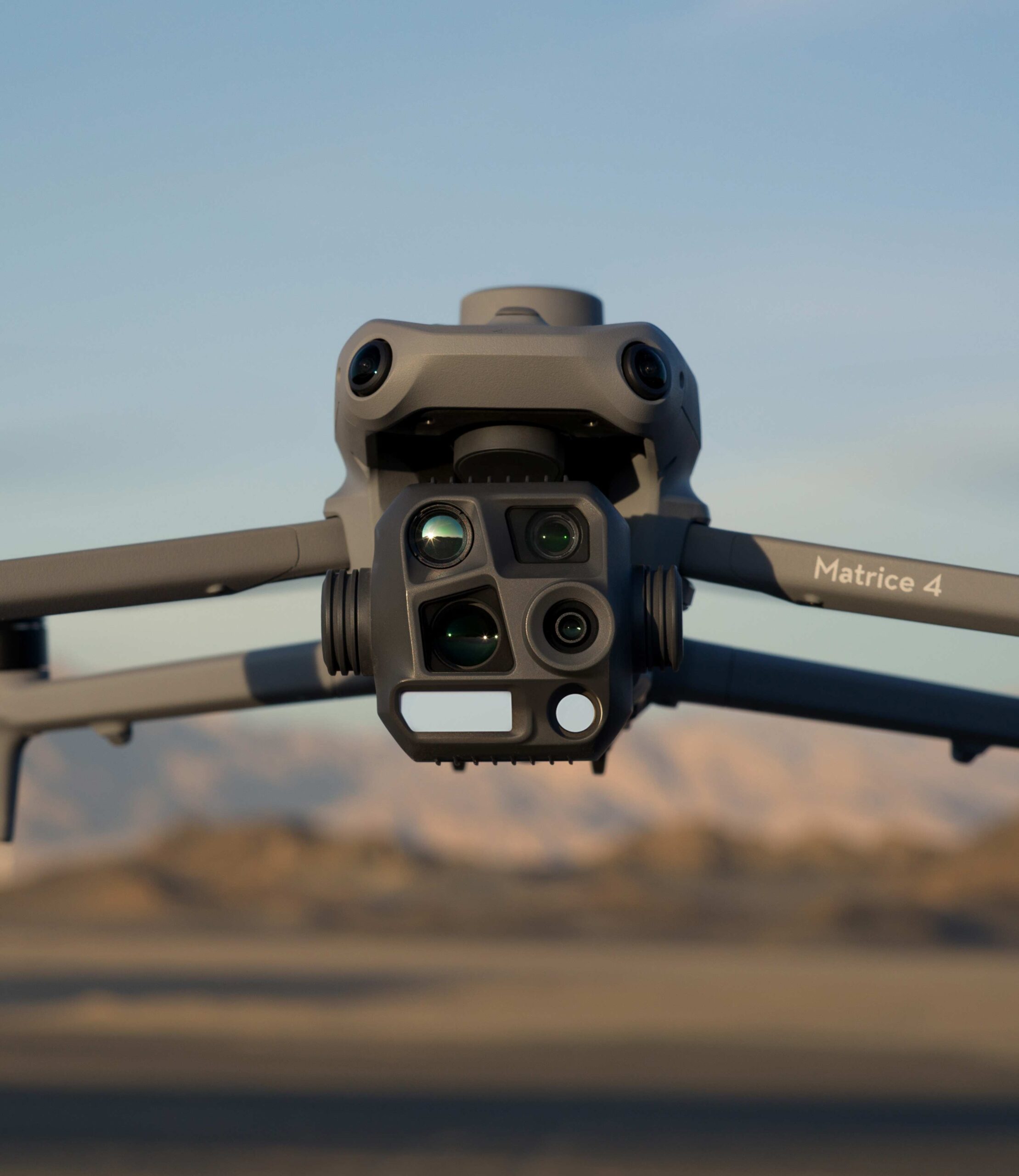
DJI Matrice 4 thermal drone used by KC Pet Search and Rescue for aerial pet search operations

When a Thermal Drone Search Is Most Useful

Certain situations line up especially well with what aerial thermal search does best:

A pet that escaped recently, before it can travel far
Open ground — fields, yards, and large properties
Wooded edges and tree lines bordering a search area
Creeks, drainage areas, and low-lying corridors
Parks and other large public open spaces
Nighttime or early-morning searches, when the ground has cooled
Limited visibility from the ground — brush, tall grass, or dark cover
Large search areas that would take hours to cover on foot
A dog that's still on the move, covering ground quickly
A cat hiding in difficult terrain near the escape point

Honest Limitations and Realistic Expectations

Thermal drone search is a powerful tool, but it isn't perfect, and it isn't automatically the right move for every case. Results can be affected by:

Dense tree canopy
Roofs and enclosed structures
Thick brush
Warm surfaces holding heat
Weather conditions
Terrain
Airspace restrictions
Outdated or unreliable sightings
No reliable last-known location
KC Pet Search & Rescue evaluates each situation before deciding whether a drone deployment is the right move. A drone flight isn't promised to work in every case — the goal is choosing the approach that actually fits the situation.

How the Process Works

1

Owner Contact

Call, text, or complete the emergency recovery form to start the conversation.

2

Last-Known Location Review

We go over the last sighting, timing, direction of travel, and any details you have.

3

Case Assessment

We weigh terrain, timing, sightings, and the pet's behavior against what a drone can realistically do here.

4

Deployment Decision

If a drone search fits the case, we plan where and when to fly based on the evidence gathered.

5

Aerial Thermal Search

The drone scans fields, tree lines, drainage areas, and other likely zones for heat signatures.

6

Zoom-Camera Confirmation

When something is detected, a zoom camera helps confirm whether it's actually the missing pet.

7

Follow-Up Guidance

Whatever the outcome, you leave with clear next steps — monitoring, trapping, or an adjusted search plan.

Lost Dogs vs. Lost Cats: Different Search Strategy

A dog on the move and a cat frozen in a hiding spot need very different approaches — even though both can benefit from thermal search.

Lost dog moving through a dark outdoor area, illustrating a dog's tendency to keep traveling once loose

Thermal Drone Search for Lost Dogs

  • Dogs often keep moving, sometimes across multiple neighborhoods
  • Aerial search covers ground fast — fields, parks, wooded corridors
  • Speed matters: the sooner the search starts, the smaller the area
  • A dog in flight mode may avoid people, even familiar ones
  • Deployment is planned around confirmed sightings and direction of travel
Thermal monocular used for close-range ground search when a cat is hiding near structures

Thermal Drone & Monocular Search for Lost Cats

  • Indoor cats usually freeze and hide close to the escape point
  • Aerial thermal helps scan the yard and nearby open space
  • A handheld thermal monocular checks tight spots the drone can't confirm
  • Dense brush, decks, and structures can limit what's visible from above
  • Cameras and monitored trapping often matter as much as the drone itself

Why KC Pet Search & Rescue Is the Solution

KC Pet Search & Rescue is more than a drone flight. It's a full recovery process built around the pet, the terrain, and the evidence — not just the technology.

Lost Pet Behavior Understanding

Knowing how a scared dog or hiding cat actually behaves shapes everything else.

Search Planning

Turning sightings and terrain into an actual plan, not a random flight path.

Local Field Experience

Real search experience across Johnson County neighborhoods, fields, and creek lines.

Thermal Drone Capability

Professional thermal imaging equipment operated with a search strategy behind it.

Zoom-Camera Support

Confirming a detection is the right animal before committing to a response.

Practical Recovery Decisions

Deciding whether to approach, monitor, or set up a trap once a pet is located.

Coordination Support

Keeping owners, neighbors, and helpers working together instead of at odds.

Sighting Interpretation

Reading what a sighting really tells you about timing, direction, and behavior.

Real Recovery, Not Just Theory

Two real recoveries — one dog, one cat — that started the same way every case does.
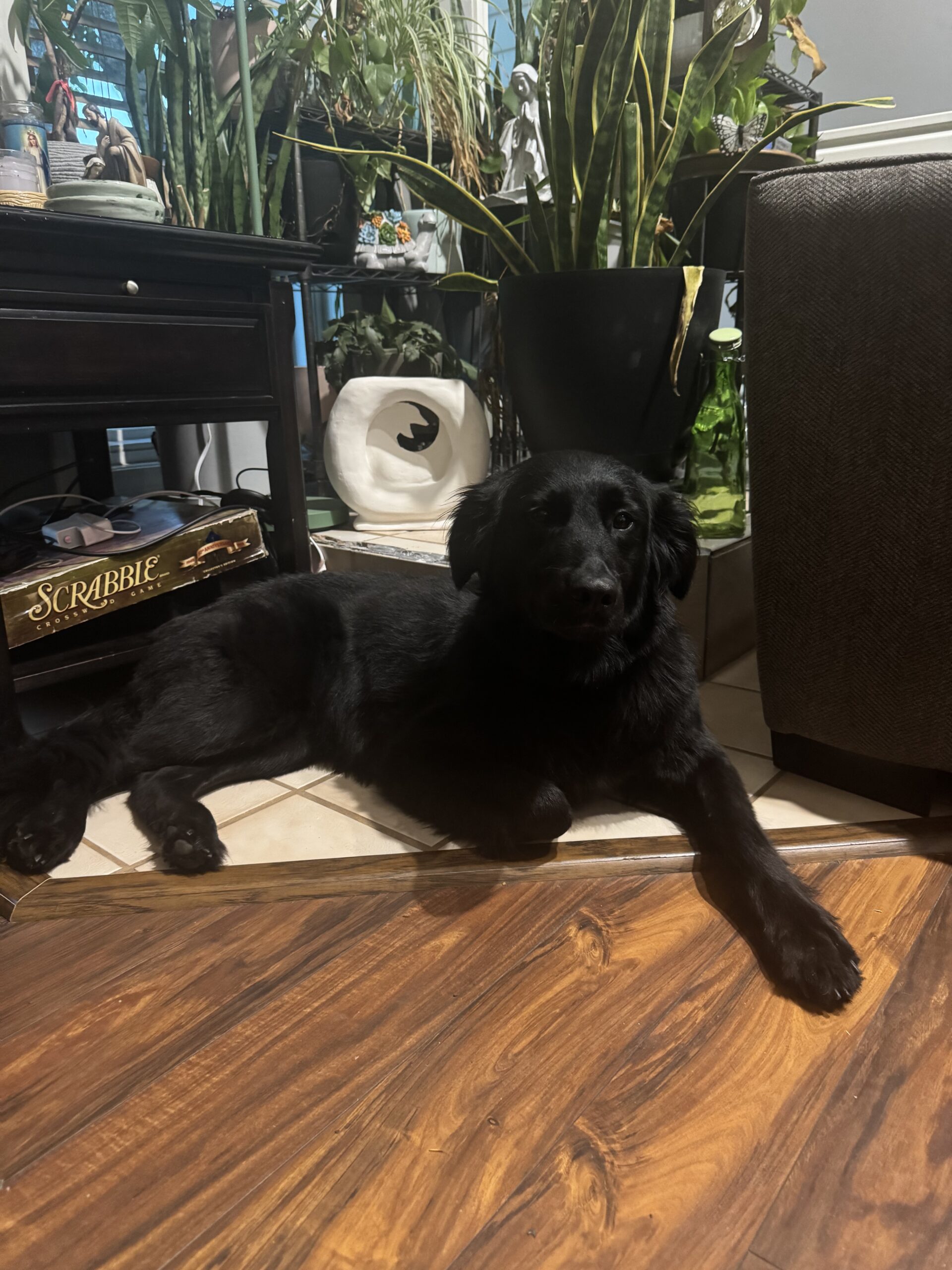
Izzy safely home after her lost dog recovery in Osage County, Kansas

Izzy — Osage County, Kansas

Izzy got loose and stayed on the move — exactly the kind of case where fast aerial coverage and search coordination make the difference.

See Izzy's Full Recovery Story →
Koshka safely home after her lost indoor cat recovery in Independence, Missouri

Koshka — Independence, Missouri

Koshka escaped through a window screen and hid close to home. Nighttime thermal ground search helped bring her back inside within about two hours.

See Koshka's Full Recovery Story →

Owners Tell the Full Story

Real Johnson County and Kansas City area owners on what happened when a pet went missing.

★★★★★

"The best search and rescue there is! He helped us find our pup before the fireworks got too loud on the 4th of July."

GK
Missing Dog · Same-Day Response
★★★★★

"My cat Gizmo was missing a total of 4 days... It only took Gizmo 4-5 hours to walk right into the trap he set up and we were finally able to have him back."

Nevaeh Brown
Gizmo · Cat Recovery · Humane Trap
★★★★★

"BIG MASSIVE SHOUT OUT to KC Pet Search & Rescue!!!! Callie got out and I can't tell you how many hours we spent looking for her... There is absolutely no way we would have been able to find her without KC Pet Search & Rescue!!!"

Lindsey Nicholson
Callie · Skittish Rescue Dog

Thermal Drone Search Across Johnson County

KC Pet Search & Rescue responds throughout Johnson County, Kansas and nearby communities, adjusting the plan to the terrain and neighborhoods where each case actually happens.

OlatheOverland ParkLenexaShawnee LeawoodGardnerSpring HillDe SotoPaola

Frequently Asked Questions

How does a thermal drone search work for a lost pet?
The drone flies over the search area using a thermal camera that detects body heat instead of relying on visible light. Warm-bodied animals stand out against cooler surroundings, which helps identify possible locations to check further.
Can thermal drones find lost dogs?
Yes, especially when a dog is moving through open ground, fields, or wooded edges. Thermal imaging can help cover large areas quickly and spot a dog that would be hard to see from the ground.
Can thermal drones help find missing cats?
Sometimes. Indoor cats often hide close to home in tight spaces, so aerial thermal is usually paired with a handheld thermal monocular and ground-level search for the best results.
Is thermal search best at night?
Often, yes. The ground cools after sunset, which can make a warm-bodied animal easier to distinguish from its surroundings.
Does weather affect thermal drone searches?
Yes. Rain, wind, and temperature can all affect visibility and flight conditions, which is part of why each case is evaluated individually before a drone is deployed.
Can thermal see through trees or buildings?
No. Thermal cameras cannot see through roofs, walls, or dense tree canopy. Structures and heavy cover are real limitations, not something thermal imaging can bypass.
How quickly should I call after my pet goes missing?
As soon as possible. Earlier contact generally means more reliable sighting information and a smaller, more manageable search area.
What areas in Johnson County do you serve?
Olathe, Overland Park, Lenexa, Shawnee, Leawood, Gardner, Spring Hill, De Soto, Paola, and the surrounding Johnson County area.
Does KC Pet Search & Rescue offer same-day help?
Yes. Same-day help is available for freshly missing pets, and every submitted recovery form receives a free consultation.
What information should I provide before a search?
A recent photo, the exact last-seen location and time, direction of travel if known, confirmed sightings, and a sense of the pet's temperament all help speed up a deployment decision.

Missing Pet in Johnson County? Start Here.

The sooner KC Pet Search & Rescue is involved, the more options are still on the table. Start with a free consultation and a plan built around your specific case.

Every submitted recovery form receives a free consultation · Serving Johnson County and the Kansas City metro

Back to top