


Free Lost Pet Command CenterCreate a missing-pet case and use community recovery tools
Emergency Cat Help
KC Pet Search & Rescue
Call Now 913-915-2800
Emergency Dog Help
KC Pet Search & Rescue
Call Now 913-915-2800
Free Lost Pet Command CenterCreate a missing-pet case and use community recovery tools
Emergency Cat Help
Emergency Dog Help
Kansas City Metro — Emergency Dog Recovery

What To Do If Your Dog Goes Missing in Kansas City

Stay calm. Don't chase. Protect the last-known location and start collecting real information — that combination matters more than random searching. KC Pet Search & Rescue helps Kansas City area owners turn those first minutes into an actual recovery plan.

Every submitted recovery form receives a free consultation

What to Do Immediately

  • Mark the exact escape location and don't disturb it.
  • Record the time and, if seen, the direction of travel.
  • Secure other pets so the situation doesn't multiply.
  • Collect a recent, clear photo to have ready.
  • Keep one calm person near the last-known location.
  • Check nearby cameras — doorbell or security footage can confirm a sighting.
  • Limit noise and foot traffic around the immediate area.
  • Avoid chasing, even if you can see the dog.
For a full minute-by-minute breakdown, see What To Do in the First Hour Your Dog Goes Missing.
Illustration of a lost dog looking into the distance, representing how quickly behavior changes once a dog is loose

Why Lost Dogs May Not Behave Normally

  • Fear can push a dog into flight mode, where it avoids everyone — including its own owner
  • A normally friendly dog may not respond to its name while scared
  • Calling loudly and repeatedly can read as pressure instead of comfort
  • Many dogs move more during quieter, low-traffic hours
  • Chasing almost always increases distance instead of closing it

This isn't disobedience. It's survival behavior, and it changes what actually works.
What to Do When Your Dog Is Sighted

How you respond in the next few seconds matters as much as the sighting itself.

Do not run toward the dog
Do not let people close in from multiple directions
Stop vehicles nearby if it's safe to do so
Turn sideways and lower your posture
Reduce eye contact and avoid loud, emotional calling
Use calm, slow body language
Record the exact location, time, and direction of travel
Contact KC Pet Search & Rescue with the sighting right away

Common Mistakes That Push a Dog Farther Away

Chasing the moment the dog is spotted
Yelling or honking to get attention
Sending large search groups into the area at once
Posting inaccurate or unconfirmed sightings
Approaching from multiple directions at the same time
Moving feeding locations repeatedly instead of monitoring one spot
Driving around aimlessly without documenting routes
Assuming the dog will respond normally to its name
Waiting too long to organize the search
Past the first hour with no dog in hand? Every submitted recovery form receives a free consultation.

How Lost Dogs Move Through Kansas City

Lost dogs tend to follow the path of least resistance rather than moving in a straight line. Across the metro, that often means neighborhood streets, quieter yards, and connected green space — corridors like the Indian Creek Trail and Blue River Trail on the Kansas side, or the Brush Creek corridor in Kansas City, Missouri, all give a scared dog a low-traffic route to travel without crossing much open ground. No two cases follow the exact same pattern, but terrain like this shapes where a search should start.

Neighborhood streets and quiet yards
Walking and biking trails
Tree lines and wooded edges
Creek corridors and drainage paths
Parks and open fields
Industrial transitions with less foot traffic

How Far Do Lost Dogs Travel?

Distance depends on size, temperament, fear level, terrain, and whether the dog has been chased or pressured — it can range from a few blocks to several miles.

Read the full breakdown →

Are Lost Dogs More Active at Night?

Often, yes — less traffic and fewer people outside can mean more movement after dark, which is also when thermal contrast tends to be stronger.

See nighttime search guidance →
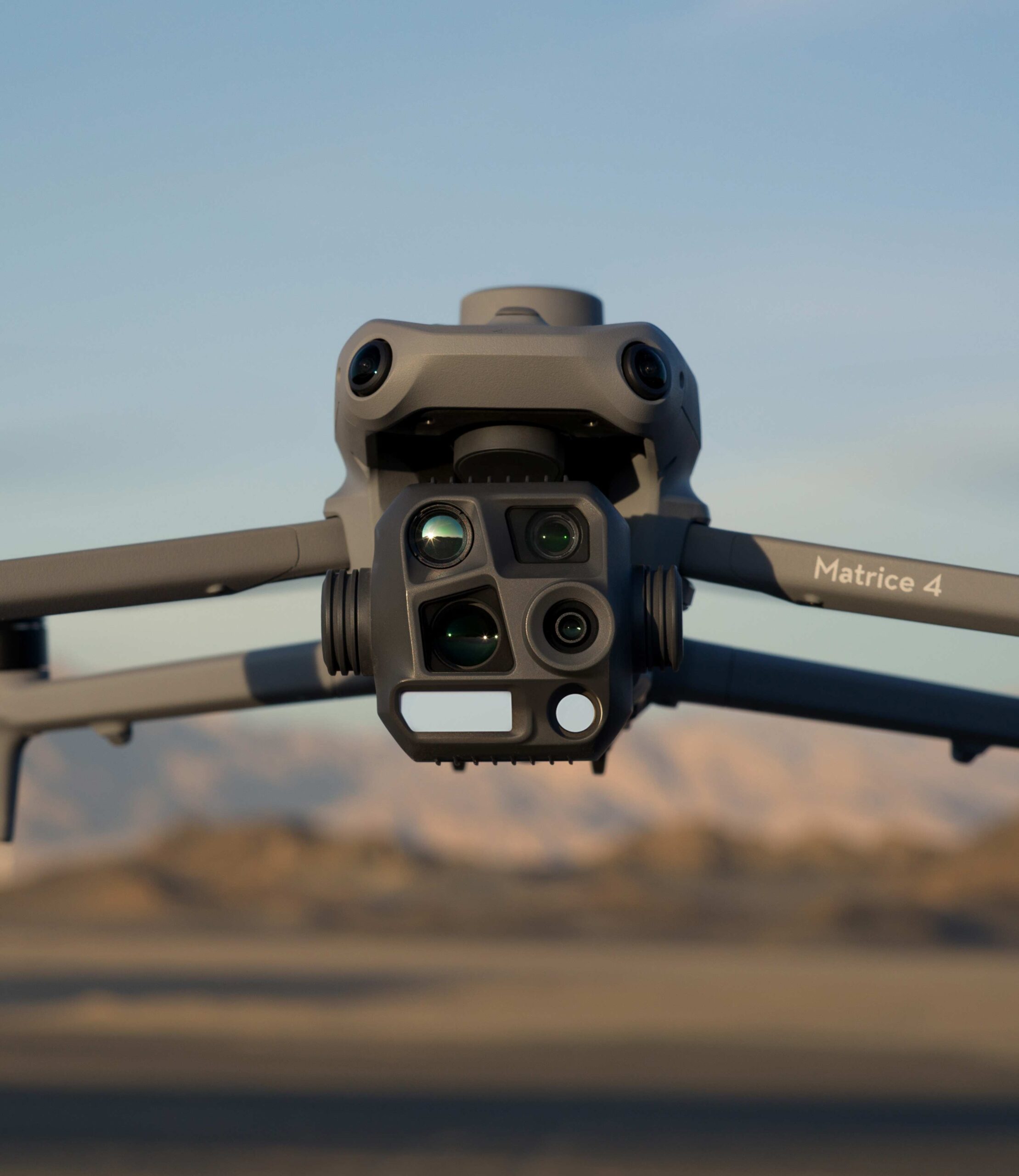
DJI Matrice 4 thermal drone equipment used by KC Pet Search and Rescue during case evaluation

How KC Pet Search & Rescue Evaluates the Case

  1. Gather the escape details — how and when the dog got loose
  2. Confirm the last-known location
  3. Assess the dog's behavior and fear level
  4. Organize sightings by time, location, and direction
  5. Study roads, water, terrain, parks, and hazards nearby
  6. Determine whether thermal aerial search is appropriate
  7. Build the initial recovery plan
  8. Adjust the plan as new evidence comes in

Thermal Drone Search — Where Appropriate

A thermal drone can scan large areas quickly and pick up heat signatures that are hard to see from the ground — especially useful over open fields, parks, creek corridors, wooded edges, and large properties, particularly at night or early morning when the ground has cooled.

KC Pet Search & Rescue evaluates the case first. A drone flight isn't automatic for every dog — it depends on terrain, sightings, and conditions. A zoom camera helps confirm that a detection is actually the right dog before committing to a response.

Real limits: dense canopy, solid structures, roofs, enclosed buildings, thick vegetation, warm surfaces, weather, and airspace restrictions can all affect what a thermal drone can confirm. It's one tool inside a recovery plan, not a stand-alone answer.
Thermal drone with zoom camera used to evaluate open ground for a missing dog near the Kansas City skyline

Real Dog Recovery, Not Just Theory

Two real Kansas City area recoveries that started the same way every case does.
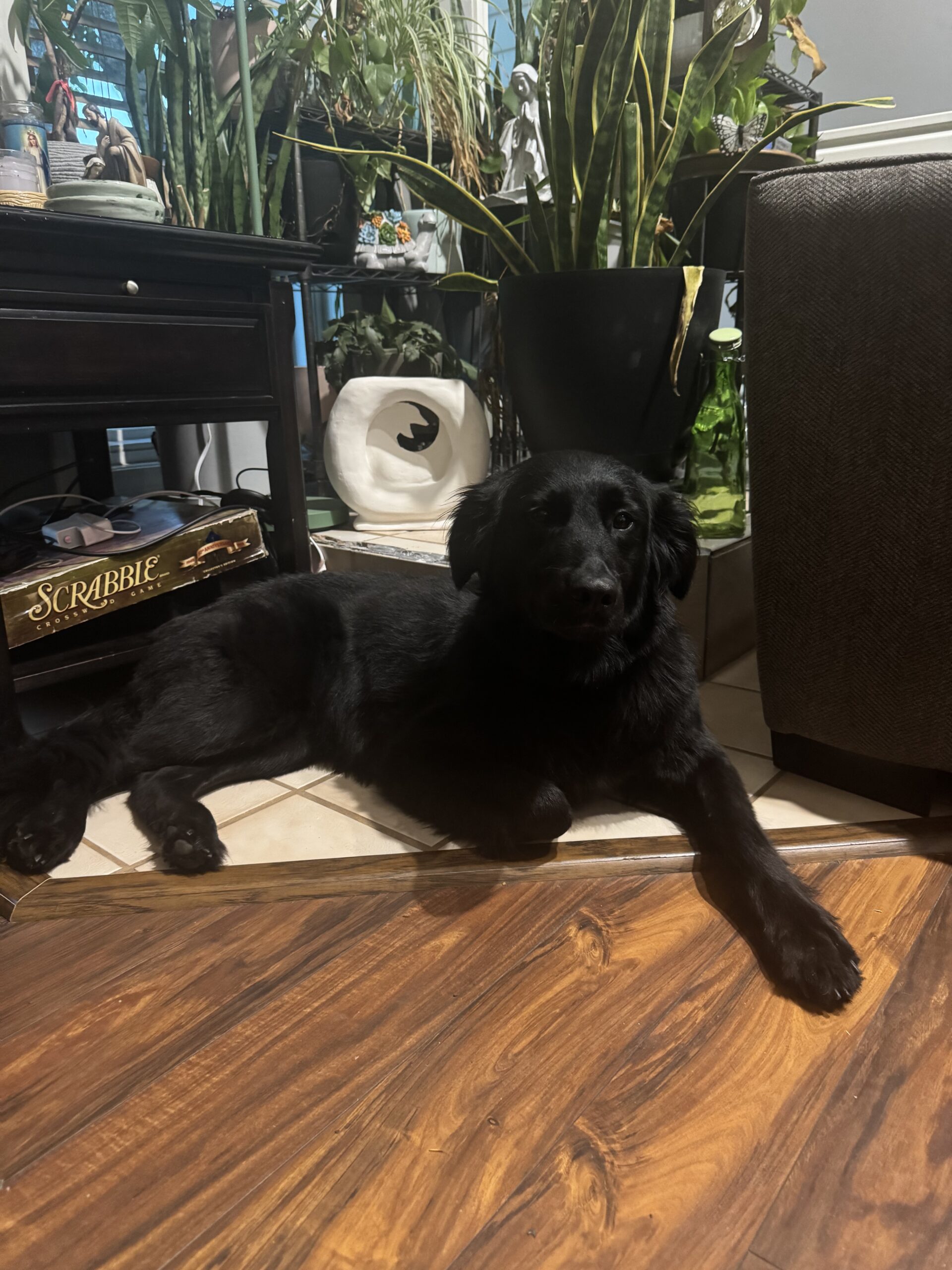
Izzy safely home after her lost dog recovery in Osage County, Kansas

Izzy — Osage County, Kansas

Izzy got loose and stayed on the move — the kind of case where fast coverage and search coordination make the difference.

See Izzy's Full Recovery Story →
Callie safely home after her lost dog recovery in Olathe, Kansas

Callie — Olathe, Kansas

Callie, a skittish 7-year-old rescue, stayed missing for two days before a focused search brought her home safely.

See Callie's Full Recovery Story →

Owners Tell the Full Story

Real Kansas City area owners on what happened when their dog got loose.

★★★★★

"The best search and rescue there is! He helped us find our pup before the fireworks got too loud on the 4th of July."

GK
Missing Dog · Same-Day Response
★★★★★

"BIG MASSIVE SHOUT OUT to KC Pet Search & Rescue!!!! Callie got out and I can't tell you how many hours we spent looking for her... There is absolutely no way we would have been able to find her without KC Pet Search & Rescue!!!"

Lindsey Nicholson
Callie · Skittish Rescue Dog
★★★★★

"Helped us find our puppy!"

El Jonathan
Puppy Recovery
Ready to start? Begin with a free recovery consultation.

Kansas City Metro Service Areas

KC Pet Search & Rescue responds throughout the Kansas City metro on both sides of the state line.

If your dog is found or you spot an unfamiliar dog in the area, your local animal control or shelter can help too. In Wyandotte County, that's Kansas City, Kansas Police Department Animal Services. Johnson, Jackson, and other metro counties each have their own local animal control you can contact directly.

Also Post to the Kansas City Lost Pet Facebook Directory

Facebook can help generate sightings, but it supports a structured recovery plan — it doesn't replace one.

Frequently Asked Questions

What should I do first when my dog goes missing?
Stop chasing, secure the escape point, and check the immediate area quietly before expanding outward. Note the exact time and direction, and keep one calm person at the last-known spot.
Should I chase my dog if I see it?
No. Chasing usually increases distance instead of closing it. A calmer approach, or professional help, works better once a dog is in flight mode.
Why is my dog running away from me?
Fear can override training and familiarity. A dog in flight mode is reacting to stress, not disobeying — even a normally friendly dog may avoid its own owner while scared.
How far can a lost dog travel?
It varies widely based on size, temperament, terrain, and pressure — anywhere from a few blocks to several miles. Early, calm action generally keeps the search area smaller.
Where do lost dogs usually go in Kansas City?
Often along paths of least resistance — neighborhood streets, trails, creek corridors, tree lines, and quieter yards rather than open, high-traffic areas.
Are lost dogs more active at night?
Often, yes. Less traffic and fewer people outside can mean more movement after dark, which is also when thermal contrast tends to be stronger.
When should I call KC Pet Search & Rescue?
As soon as the situation feels bigger than a quick walk-around — especially with unreliable sightings, nighttime conditions, or a dog that's clearly in flight mode. A free consultation costs nothing to start.
Can thermal drones always find a lost dog?
No. A thermal drone can be highly effective when conditions support it, but dense canopy, structures, weather, and poor sighting information can all limit what it can confirm. It's one tool among several, not a guaranteed solution.
What information should I provide before a search?
A recent photo, breed, size, color, exact last-seen address and time, direction of travel, confirmed sightings, and temperament all help speed up a deployment.
Does KC Pet Search & Rescue offer same-day help?
Yes. Same-day help is available for freshly missing dogs across the Kansas City metro, and every submitted recovery form receives a free consultation.
Should I post my dog in local Facebook groups?
Posting can help spread the word, but it works best alongside an organized recovery plan, not as a replacement for one.
What Kansas City communities do you serve?
Kansas City metro on both sides of the state line, including Olathe, Overland Park, Lenexa, Shawnee, Leawood, Gardner, Kansas City MO, Lee's Summit, Independence, Blue Springs, Liberty, Raytown, Grandview, and Belton.

Dog Missing in Kansas City? Start Here.

The search needs a plan, not panic. KC Pet Search & Rescue turns those first minutes into a coordinated recovery effort.

Every submitted recovery form receives a free consultation · Serving the Kansas City metro

Back to top